Why Your Cuticles Peel Even When You Moisturise
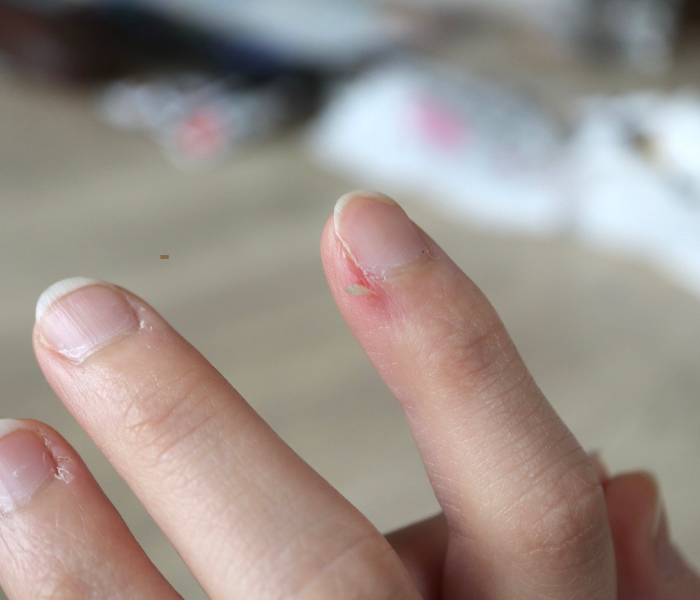
Peeling cuticles can be incredibly frustrating, especially when you’re already applying hand cream or cuticle oil regularly. Many people assume peeling means they’re not moisturising enough, but in reality, peeling cuticles are often a sign that something else is interfering with the skin’s barrier.
Understanding why cuticles peel, even with regular moisturising, is the first step to stopping the cycle.
Moisture vs Barrier Protection
Moisturising and protecting the skin barrier are not the same thing.
Hand creams and lotions add moisture, but cuticles also need oil to maintain flexibility and prevent water loss. Without enough oil, moisture evaporates quickly, leaving the skin dry again, even if it felt hydrated moments earlier.
Peeling often occurs when the skin barrier is weakened, not simply dry.
Too Much Water Exposure
One of the most common causes of peeling cuticles is frequent water exposure.
Hand washing, sanitiser use, and cleaning tasks repeatedly strip natural oils from the skin. Even if you moisturise afterwards, the skin may not have time to rebuild its protective barrier before the next wash.
Water alone doesn’t hydrate cuticles long-term; it can actually make peeling worse if oils aren’t replaced.
Relying on Hand Cream Alone
Hand cream is important, but it isn’t always enough on its own.
Creams primarily provide hydration, while cuticle oil helps:
- Seal in moisture
- Restore flexibility
- Protect against cracking
If you’re only using hand cream, your cuticles may still lack the oils they need to stay intact.
Over-Manipulation of the Cuticles
Pushing back, trimming, or picking at cuticles, even gently, can disrupt the skin barrier.
Over-manipulation may cause:
- Micro-tears in the skin
- Increased dryness
- Ongoing peeling
When the skin doesn’t have time to heal, peeling becomes a recurring issue.
Product Sensitivity or Irritation
Some soaps, sanitisers, nail products, or even scented creams can irritate the delicate skin around the nails.
Signs of irritation-related peeling include:
- Redness
- Stinging
- Tightness after product use
Switching to milder, fragrance-free products can make a significant difference.
Seasonal and Environmental Factors
Cold weather, dry air, and indoor heating can all contribute to peeling cuticles. In warmer months, increased hand washing and outdoor activity can have a similar effect.
Seasonal changes often require adjustments in cuticle care routines.
Not Using Oil Often Enough
Using cuticle oil occasionally may not be enough if peeling is already present.
Cuticles that are peeling often need:
- Daily oil application
- Sometimes two to three applications per day
- Consistency over several weeks
Improvement is usually gradual rather than immediate.
How to Stop Cuticles from Peeling
A supportive routine focuses on barrier repair rather than constant moisturising.
Helpful steps include:
- Apply cuticle oil daily, especially after washing hands
- Follow oil with hand cream to seal it in
- Reduce cuticle pushing or trimming
- Protect hands during cleaning or gardening
- Avoid picking at peeling skin
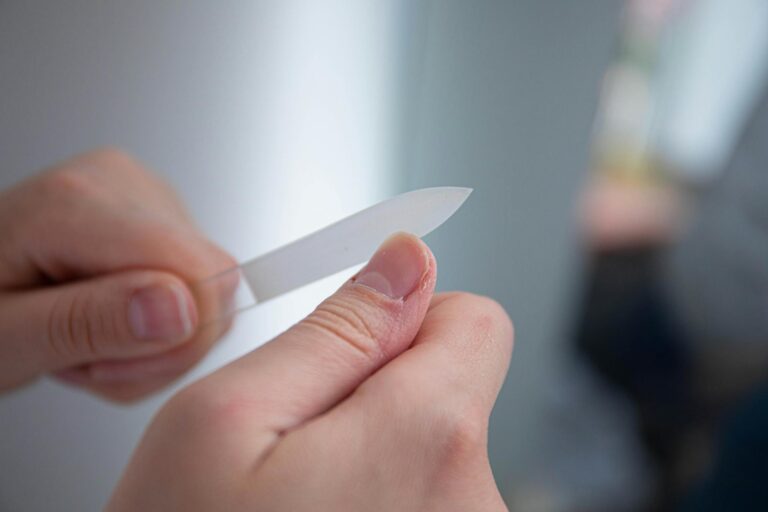
Trimming loose, dead skin carefully may be helpful, but pulling or biting should be avoided.
When Peeling May Signal a Bigger Issue
Occasional peeling is common, but persistent or severe peeling may indicate:
- Ongoing irritation
- Skin sensitivity or eczema
- Allergic reactions to products
If peeling is painful, inflamed, or doesn’t improve with gentle care, professional medical advice should be sought.
Final Thoughts
If your cuticles are peeling despite regular moisturising, the issue is usually barrier disruption rather than lack of effort. Supporting the skin with oil, reducing irritation, and allowing time for repair can break the cycle.
Healthy cuticles don’t need constant attention; they need consistent, gentle care.