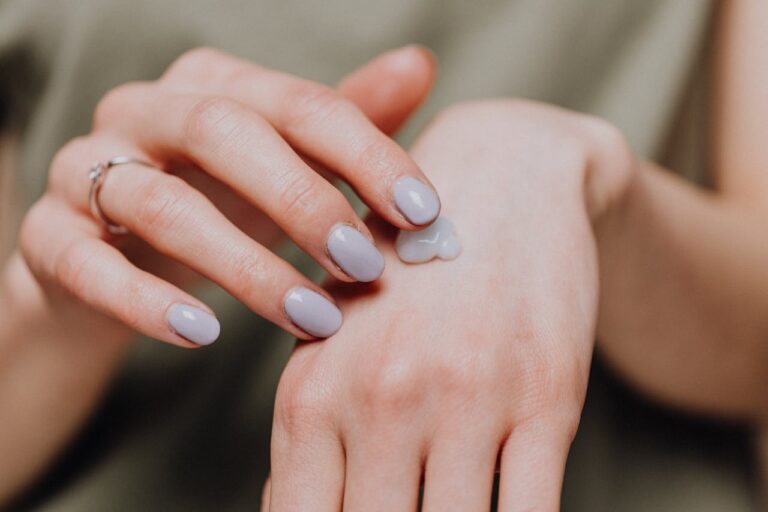
Cuticle Care for Eczema-Prone or Very Dry Skin
Caring for cuticles can be especially challenging for those with eczema-prone or very dry skin. The skin around the nails is already delicate, and when it becomes compromised by dryness, irritation, or flare-ups, even simple nail care can feel uncomfortable or painful.
Why Eczema-Prone Cuticles Need Special Care
Eczema and severe dryness weaken the skin barrier, allowing moisture to escape more easily and making the skin more vulnerable to irritation. Around the nails, this can lead to:
- Cracking or splitting
- Redness and soreness
- Frequent hangnails
- Sensitivity to products
- Slow healing
Because the cuticle acts as a protective seal for the nail, damage in this area can affect both comfort and nail health.
Common Triggers Around the Nails
Identifying triggers can help reduce flare-ups.
Common triggers include:
- Frequent hand washing
- Soaps and sanitising products
- Cleaning chemicals
- Cold or dry weather
- Fragrance or alcohol in nail products
- Over-trimming or cutting cuticles
Reducing exposure to these triggers is just as important as moisturising.
Should You Cut Cuticles with Eczema?
Cutting cuticles is not recommended for eczema-prone or very dry skin. Removing cuticle tissue breaks the already fragile skin barrier and significantly increases the risk of irritation and infection.
Instead, focus on hydration and protection. If cuticles appear overgrown, gentle pushing back after softening is a safer option, and only when the skin is calm.
Daily Cuticle Care Routine for Eczema-Prone Skin
A simple daily routine can help protect sensitive cuticles without causing flare-ups.
Cleanse gently
Use a mild, fragrance-free hand wash and lukewarm water. Avoid hot water, which can worsen dryness.
Apply a nourishing oil or balm
Use a small amount of cuticle oil or balm designed for sensitive skin. Massage gently into the cuticles and surrounding skin.
Seal with a barrier cream
A rich, fragrance-free hand cream helps lock in moisture and protect the skin barrier.
Applying these products once or twice daily is usually sufficient.
Weekly Cuticle Care for Very Dry Skin
Weekly care should focus on softening rather than manipulation.
- Use a gentle cuticle softener
- Gently push back cuticles only if the skin is calm
- Massage cuticle oil or balm
- Avoid cuticle removers and harsh treatments
If skin is actively flaring, skip any manipulation entirely.
Ingredients to Look for in Cuticle Products
Choosing the right products is essential for eczema-prone skin.
Look for:
- Simple, fragrance-free formulations
- Lightweight plant oils
- Vitamin E
Avoid:
- Artificial fragrance
- Alcohol-heavy formulas
- Strong chemical removers
Patch testing new products can help reduce the risk of reactions.
Protecting Cuticles Day to Day
Daily habits make a significant difference:
- Wear gloves for cleaning and washing dishes
- Use cotton gloves at night after applying cream if the skin is very dry
- Reapply moisturiser after hand washing
- Avoid picking or biting the skin
These protective habits support healing and prevent further damage.
Managing Flare-Ups Around the Nails
During eczema flare-ups:
- Stop all cuticle manipulation
- Focus on moisturising and protection
- Keep the area clean and dry
- Avoid nail treatments until the skin settles
Persistent or worsening symptoms should be assessed by a healthcare professional.
Final Thoughts
Eczema-prone and very dry cuticles require patience and gentle care. By avoiding cutting, choosing suitable products, and focusing on protection rather than appearance, it’s possible to maintain healthier cuticles without irritation.
Supporting the skin barrier is the key to comfort, healing, and long-term nail health.