Hangnails: Causes, Treatment, and Prevention
Hangnails are small, torn pieces of skin that appear around the edges of the nails. While they’re common and often minor, they can be surprisingly painful and, if ignored, may lead to infection. Understanding what causes hangnails and how to treat them properly can help prevent discomfort and keep nails healthy.
What Are Hangnails?
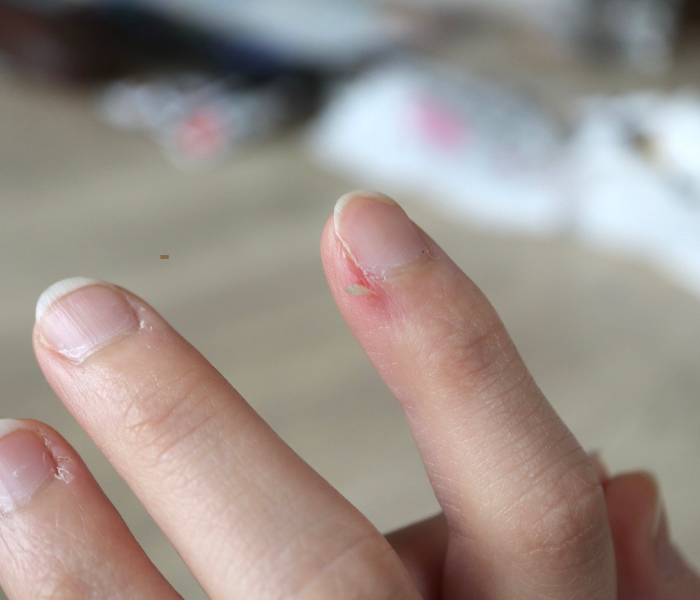
Despite their name, hangnails are not actually part of the nail. They are small tears in the skin around the nail, usually caused by dryness or damage to the cuticle area. Hangnails most often appear at the sides of the nail where the skin is thinner and more vulnerable.
What Causes Hangnails?
Hangnails usually develop when the skin around the nails becomes dry, brittle, or irritated. Common causes include:
Dry Skin
Lack of moisture is the most common trigger. When cuticles dry out, they lose flexibility and tear easily.
Frequent Hand Washing
Regular exposure to water and soap strips the skin of natural oils, increasing the risk of cracking.
Cold Weather
Low humidity and cold air dry out the skin, making hangnails more common during the winter months.
Picking or Biting the Skin
Pulling at loose skin or biting around the nails can create small tears that develop into hangnails.
Improper Cuticle Care
Cutting or pushing cuticles back too aggressively weakens the skin barrier and can lead to tearing.
How to Treat Hangnails Safely
Treating hangnails correctly reduces pain and prevents infection.
Do not pull hangnails
Pulling can cause the skin to tear further and bleed.
Trim carefully
Use clean, sharp nail scissors or cuticle nippers to trim the hangnail as close to the base as possible without cutting healthy skin.
Clean the area
Wash your hands gently and keep the area clean to reduce the risk of infection.
Apply oil or balm
Using cuticle oil or a nourishing balm helps soothe the skin and support healing.
Cover if needed
If the hangnail is sore or catching, a plaster or bandage can protect it while it heals.
Signs a Hangnail May Be Infected
Most hangnails heal quickly, but infection can occur if bacteria enter the broken skin. Watch for:
- Redness or swelling
- Throbbing pain
- Pus or discharge
- Warmth around the nail
If these symptoms appear or worsen, seek professional medical advice.
How to Prevent Hangnails
Prevention focuses on protecting the skin and maintaining moisture.
Moisturise Daily
Applying cuticle oil or hand cream daily keeps the skin flexible and less likely to tear.
Wear Gloves
Gloves protect hands from water, chemicals, and cold air, especially during cleaning or outdoor work.
Avoid Picking
Resist the urge to pull loose skin. Keeping nails trimmed and moisturised reduces temptation.
Be Gentle During Manicures
Avoid cutting living cuticle tissue and use light pressure when pushing cuticles back.
A Simple Routine to Reduce Hangnails
Consistency is key. This simple routine helps minimise hangnails:
- Apply cuticle oil daily
- Use hand cream after washing hands
- Wear gloves for household tasks
- Maintain gentle nail care habits
Small changes often lead to noticeable improvements.
Hangnails in Different Seasons
Winter
Increased dryness makes hangnails more common. Heavier creams and more frequent oil application can help.
Summer
Sun exposure and swimming can dry the skin. Rinsing hands and reapplying moisturiser is important.
Final Thoughts
Hangnails may seem minor, but they are often a sign that cuticles need more care. With proper treatment and consistent prevention, they can be significantly reduced or avoided altogether.
Healthy cuticles protect nails, improve comfort, and support long-term nail health.