Cuticle Care for Nail Biters and Skin Pickers
Nail biting and skin picking are extremely common habits, often linked to stress, anxiety, or unconscious behaviour. Unfortunately, these habits can cause significant damage to cuticles, leaving the skin sore, inflamed, and slow to heal. For many people, traditional nail care advice feels unrealistic or unhelpful.
Cuticle care for nail biters and skin pickers needs to be gentle, practical, and supportive, not perfect.
Why Nail Biting and Skin Picking Damage Cuticles
Repeated biting and picking break the skin barrier around the nail. This can lead to:
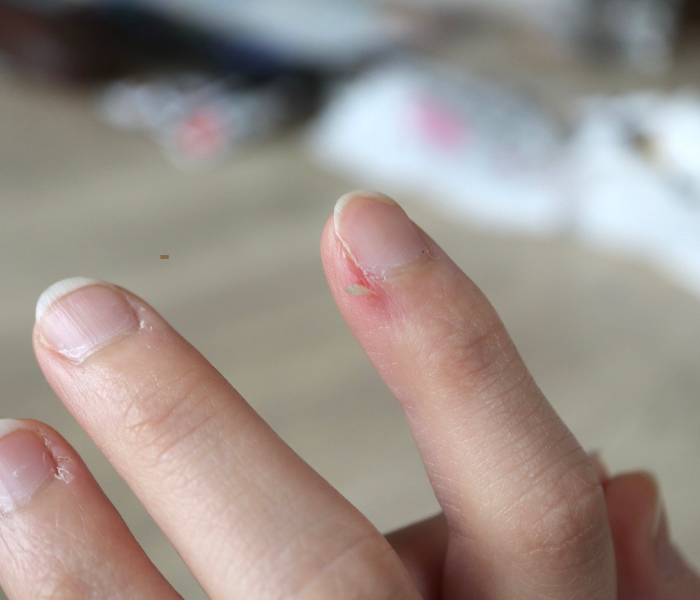
- Cracked or bleeding cuticles
- Frequent hangnails
- Redness and soreness
- Increased risk of infection
- Slow healing and scarring
Because the cuticle protects new nail growth, ongoing damage can also affect how nails grow.
A Non-Judgemental Approach to Cuticle Care
Breaking habits takes time. Cuticle care should support healing, even if biting or picking still happens occasionally.
Focus on:
- Reducing damage rather than eliminating habits immediately
- Keeping skin soft and flexible
- Protecting vulnerable areas
Progress, not perfection, leads to healthier cuticles.
Immediate Care for Damaged Cuticles
If cuticles are sore or broken:
Clean gently
Wash your hands with lukewarm water and a mild soap.
Trim loose skin safely
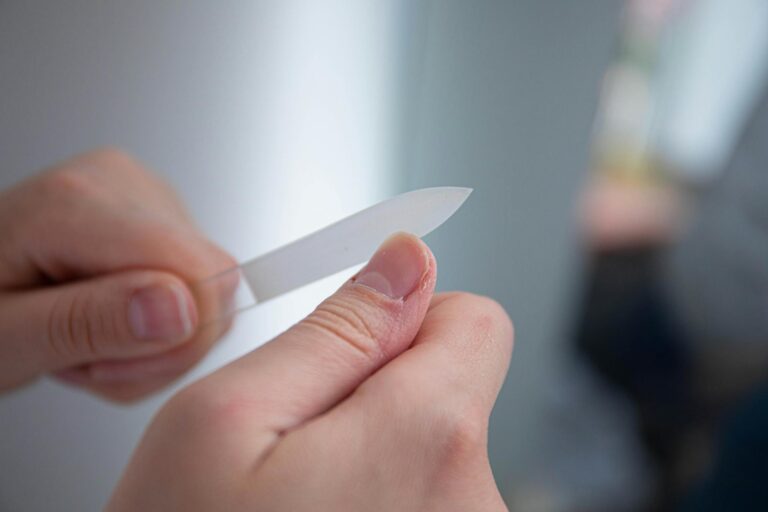
Use clean scissors or nippers to trim only loose, dead skin. Never pull or bite.
Apply oil or balm
Use a nourishing cuticle oil or balm to soothe and protect the skin.
Cover if needed
Plasters or finger covers can protect healing skin and reduce the urge to pick.
Daily Cuticle Care Routine
A simple routine helps repair damage over time.
- Apply cuticle oil once or twice daily
- Follow with a hand cream to seal in moisture
- Reapply after hand washing
- Keep nails short to reduce temptation
Keeping cuticles moisturised makes them less tempting to pick.
Reducing the Urge to Bite or Pick
While cuticle care won’t stop habits alone, these strategies can help reduce triggers:
- Keep your hands moisturised to remove rough edges
- Use fidget tools or stress balls
- Apply bitter-tasting nail treatments if helpful
- Cover nails temporarily during stressful periods
Choosing supportive tools rather than punishment encourages progress.
Weekly Maintenance Without Overdoing It
Over-manipulation can worsen damage.
- Soften cuticles gently with warm water
- Push back cuticles only if the skin is calm
- Avoid cutting the living cuticle tissue
Less interference helps the skin rebuild its natural barrier.
Managing Setbacks
Setbacks are normal. If biting or picking happens:
- Clean the area
- Apply oil or balm
- Avoid further manipulation
Returning to gentle care quickly helps prevent worsening damage.
When to Seek Extra Support
If cuticles become infected, painful, or fail to heal, seek medical advice. If biting or picking feels compulsive or distressing, professional support may also be helpful.
Final Thoughts
Cuticle care for nail biters and skin pickers is about kindness, patience, and realistic care. Supporting the skin barrier and reducing irritation makes healing possible, even while habits are being addressed.
Healthy cuticles grow from consistent care, not self-criticism.