Why Cuticles Crack at the Sides of the Nail
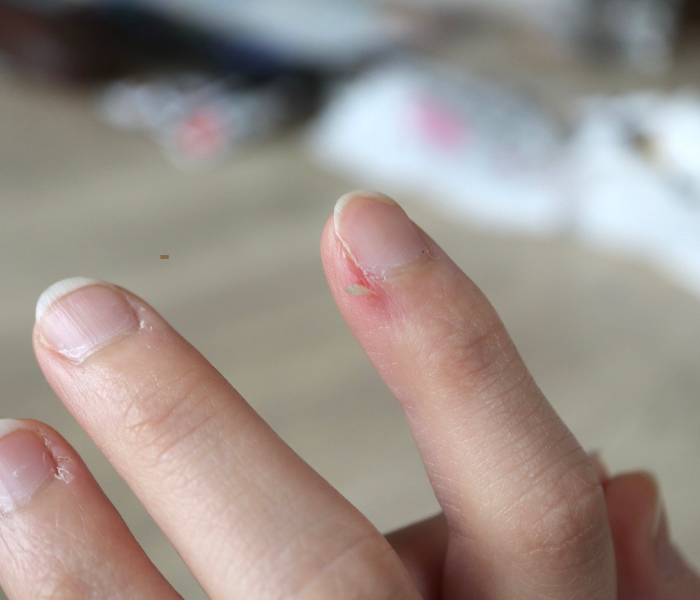
Cracked skin at the sides of the nails can be painful, slow to heal, and frustratingly persistent. Even people who moisturise regularly often struggle with this problem. Side cracks tend to reopen repeatedly, making everyday tasks uncomfortable and increasing the risk of hangnails or infection.
Understanding why cuticles crack at the sides of the nail helps you treat the cause rather than just the symptoms.
Why the Sides of the Nail Crack More Easily
The skin at the sides of the nail is thinner and more exposed than other areas around the nail. It moves constantly as you grip, type, wash your hands, or use tools, which puts extra stress on already delicate skin.
Because this area flexes so often, it’s usually the first place where dryness or barrier damage shows up.
Frequent Hand Washing and Water Exposure
One of the most common causes of side cracking is repeated exposure to water.
Hand washing, sanitiser use, and cleaning tasks strip natural oils from the skin. When water evaporates, it leaves the skin drier than before. If oils aren’t replaced, the skin becomes tight and eventually splits.
This cycle is especially common for caregivers, parents, cleaners, and anyone who washes their hands frequently.
Lack of Oil, Not Lack of Moisture
Many people use hand cream regularly, but still experience cracks at the sides of the nails.
Creams add moisture, but they don’t always replace the oils that keep skin flexible. Without enough oil, hydrated skin can still crack when it stretches.
The sides of the nails benefit most from cuticle oil, which helps the skin bend without splitting.
Picking, Biting, or Over-Trimming
Small habits can have a big impact on side cracking.
- Picking at dry skin
- Biting hangnails
- Cutting skin too closely
- Overusing nail tools
These actions weaken the skin barrier and create tiny tears that turn into painful cracks.
Exposure to Irritating Products
Soaps, detergents, sanitisers, and some nail products can irritate the skin at the sides of the nails.
Signs of irritation that may be contributing include:
- Redness or stinging
- Tightness after washing
- Cracks that worsen despite moisturising
Switching to gentler, fragrance-free products often helps.
Seasonal and Environmental Factors
Cold weather, dry air, and indoor heating reduce humidity and dry out the skin. In warmer months, increased hand washing and outdoor activity can have a similar effect.
Seasonal cracking is common and usually requires adjusting cuticle care rather than changing products completely.
How to Heal Cracks at the Sides of the Nails
Healing side cracks requires protecting the skin while the barrier repairs itself.
Helpful steps include:
- Apply cuticle oil daily, focusing on the sides of the nails
- Use hand cream after every hand wash
- Avoid trimming living skin
- Cover deep cracks temporarily with a plaster if needed
- Wear gloves for cleaning or outdoor work
Healing takes time, especially if the skin continues to stretch during daily activities.
What to Avoid While Cracks Heal
While cracks are present, avoid:
- Cutting or tearing the skin
- Using harsh soaps or sanitisers without reapplying oil
- Overworking the cuticle area
- Ignoring early dryness
Protecting the area prevents cracks from reopening.
When Cracking May Need Medical Advice
Occasional cracking is common, but medical advice should be sought if:
- Cracks are very painful or swollen
- There are signs of infection
- Cracking doesn’t improve with gentle care
- Skin conditions such as eczema are suspected
Persistent cracks may need professional assessment.
Final Thoughts
Cuticles crack at the sides of the nails because this area is under constant stress and loses oils easily. Water exposure, lack of oil, irritation, and small habits all contribute.
By supporting the skin barrier with consistent oil use, gentle products, and protective habits, side cracks can heal and become far less likely to return.