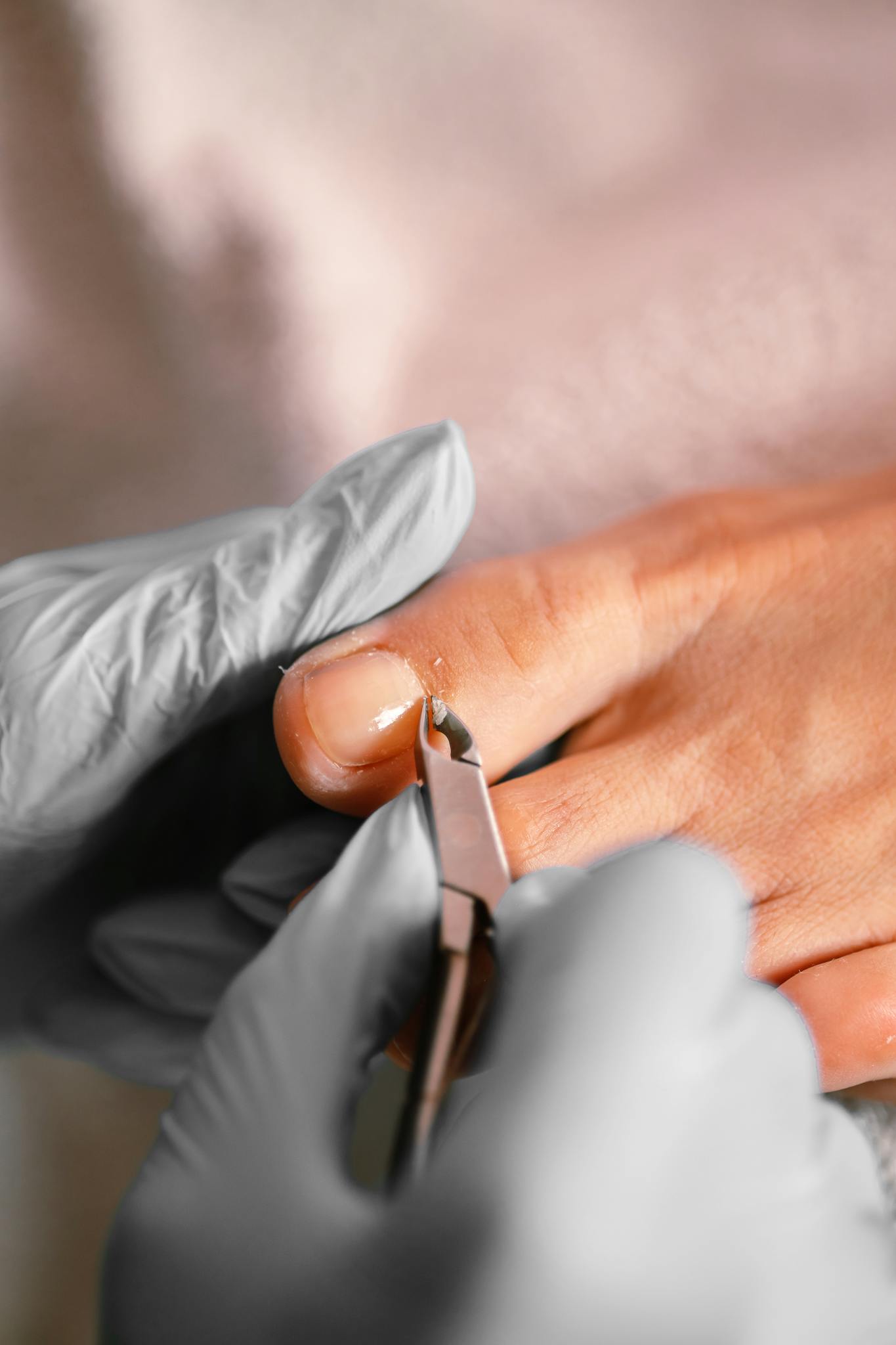
Should You Cut or Push Back Cuticles?
Cuticles are often misunderstood in nail care. Many people are taught to cut them during manicures, while others are told to leave them completely alone. So what’s actually best for nail health?
The answer lies in understanding what cuticles do and how they protect the nails. Treating them correctly can prevent infection, reduce dryness, and support stronger, healthier nails.
What Is the Cuticle and What Does It Do?
The cuticle is the thin layer of skin at the base of the nail that forms a seal between the nail plate and the surrounding skin. Its primary role is protective. It helps prevent bacteria, fungi, and moisture from entering the nail matrix, where new nail cells are produced.
When this protective barrier is damaged, nails become more vulnerable to infection and irritation.
Is It Safe to Cut Cuticles?
In most cases, cutting cuticles is not recommended.
Cutting removes part of the natural barrier that protects the nail. This increases the risk of infection, inflammation, and soreness around the nail. It can also lead to uneven regrowth and more frequent hangnails.
While cutting may create a neater appearance temporarily, it often causes more problems over time, especially for those with dry or sensitive skin.
When Cuticles Are Cut in Professional Manicures
Some professional manicures still involve cutting cuticles for cosmetic reasons. When performed carefully by a trained professional using sterile tools, the risks are reduced but not eliminated.
For home nail care, cutting cuticles is generally discouraged due to the higher risk of accidental injury and infection.
Is Pushing Back Cuticles a Better Option?
Gently pushing back cuticles is considered the safer alternative.
When done correctly, pushing back cuticles:
- Maintains the protective seal
- Improves nail appearance
- Prevents cuticle overgrowth
- Reduces the risk of infection
Cuticles should always be softened first using warm water or a gentle cuticle remover. Dry or hard cuticles should never be forced back, as this can cause tearing.
How to Push Back Cuticles Safely
A gentle approach is key.
- Soak hands in warm water for 5–10 minutes
- Apply cuticle oil or a softening product
- Use a clean wooden stick or rubber pusher
- Gently push the cuticle back, stopping if there is resistance
This process should never be painful. If discomfort occurs, the cuticles are not ready to be moved.
What About Loose or Dead Skin?
Loose, dead skin that has already separated from the cuticle may be trimmed carefully if necessary. However, living cuticle tissue should not be cut.
Using oil regularly helps reduce excess skin naturally and minimises the need for trimming.
How Often Should Cuticles Be Pushed Back?
Cuticles do not need frequent manipulation. For most people, pushing them back once every one to two weeks is sufficient. Overdoing it can irritate the skin and weaken the cuticle barrier.
Who Should Avoid Cutting Cuticles Completely?
Cutting cuticles should be avoided by anyone who:
- Has sensitive or dry skin
- Experiences frequent hangnails
- Has a history of nail infections
- Has compromised skin healing
For these individuals, minimal cuticle manipulation combined with regular moisturising is the best approach.
Final Thoughts
When it comes to cuticle care, less is often more. Cutting cuticles may offer a short-term cosmetic benefit, but it compromises the skin’s natural protection. Gently pushing back softened cuticles, paired with regular hydration, supports healthier nails in the long term.
Protecting the cuticle means protecting the foundation of nail growth.


